
The neuroscience of branding, and why you probably don’t need that rebrand.
I have a closet full of Converse and Vans in various colors to match my outfits and energy. I, like many others, gravitate toward these sneakers because of the branding.
Movies and TV shows often dress heroes in accessible fashion—blue jeans, t-shirts, and, notably, Converse sneakers. This isn’t just a costume choice; it’s a strategic branding decision. Characters who wear Chucks in film and television are often portrayed as valiant, reliable, and trustworthy—qualities that resonate with audiences and are subconsciously associated with the brand.
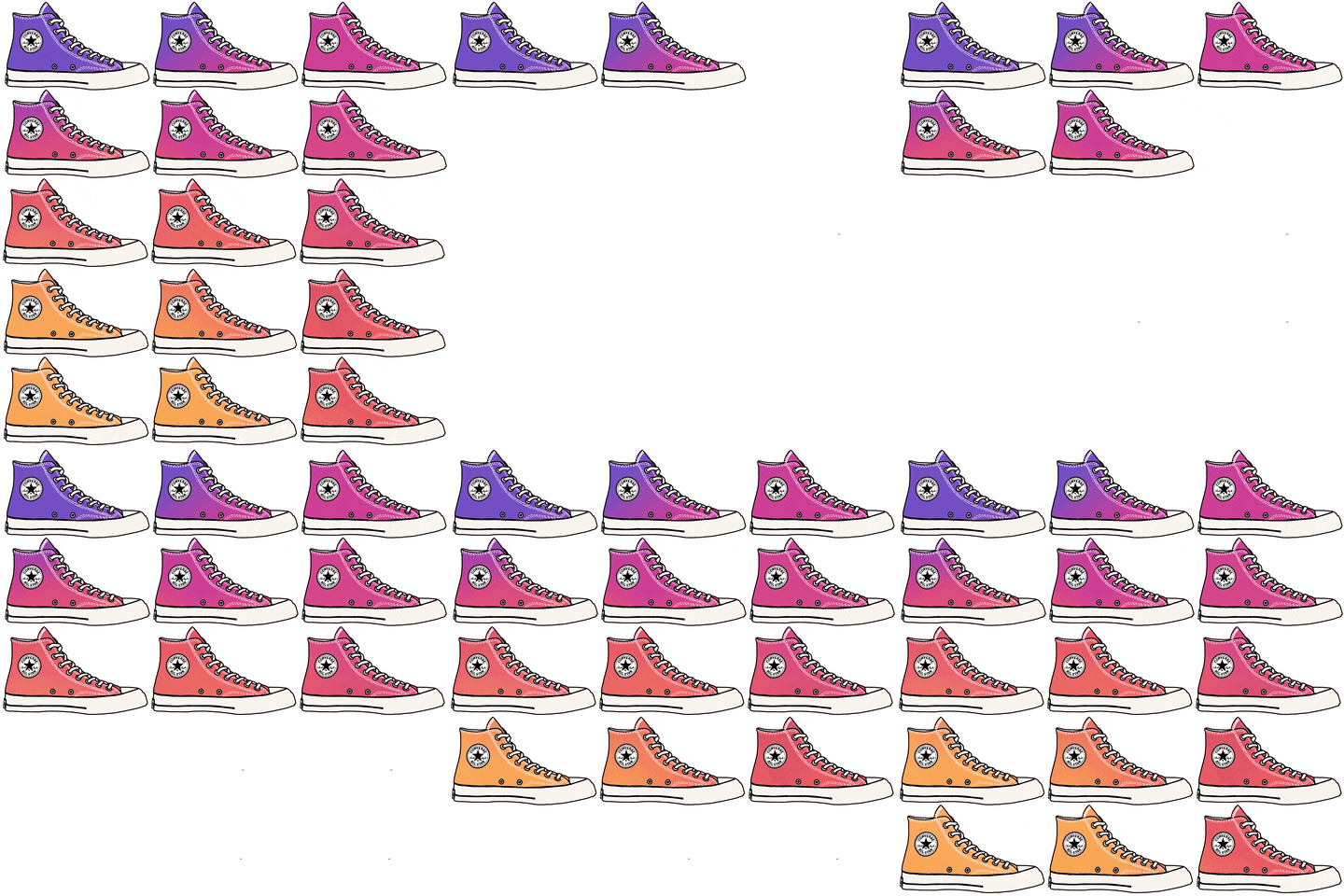
Take Barry Allen from The Flash, for example. Grant Gustin’s portrayal of Barry often includes Converse Chuck Taylor All Star sneakers, reinforcing his image as a relatable and grounded hero. Similarly, in Smallville, Clark Kent is seen sporting Converse, aligning with his character’s down-to-earth and approachable persona. Even in the Marvel Cinematic Universe, the trend continues. Teen heroes like Kamala Khan in Ms. Marvel are depicted wearing Converse, further cementing the association between the brand and youthful heroism.
This consistent brand placement isn’t coincidental. It’s a deliberate strategy that taps into our cognitive shortcuts, making characters more relatable and memorable. As a brand strategist, it’s a powerful reminder of how the right visual cues can tell a compelling story.
So, what does your brand’s “wardrobe” say about you? Are you leveraging these subconscious associations to connect with your audience?
How the Human Brain Actually Processes Brand Cues
The human brain is lazy, but in the best way. It loves shortcuts. Neuroscientists call them cognitive heuristics. These are the little mental rules we use to make quick judgments without consciously thinking about it.
When we see a character wearing Chucks, we don’t just see a shoe. We feel something: youth, rebellion, authenticity, even comfort. That’s because our brains are wired to associate meaning with repetition and context.
Brands that show up consistently, in familiar ways, make it easier for people to know what they stand for. That’s why:
- Tony Stark wears tailored suits – he’s calculated, high-tech, and powerful.
- Peter Parker wears hoodies and backpacks – he’s grounded, curious, and relatable.
- Miles Morales rocks Jordans – he’s culturally relevant and multidimensional.
These fashion choices are brand cues. And they stick because they ride the wave of what our brains already recognize.
How to Apply This in Your Own Branding
Here’s how you can use these principles to shape your own brand identity:
1. Choose Your Signature Visuals
Think of your brand like a character in a show. What do they “wear”? What colors, fonts, or props appear in every scene?
- For example: A SaaS platform could consistently use calming blues, rounded UI shapes, and soft motion in explainer videos to signal trust and approachability.
2. Show Up Where It Matters
Converse didn’t get cool again just by launching a campaign—they got cool by showing up on the feet of cool, relatable characters. Your brand’s equivalent might be:
- A podcast sponsorship that aligns with your voice
- A newsletter placement that speaks to your ideal client
- UGC that naturally shows your product being used
3. Reinforce, Don’t Overwhelm
People remember the emotional tone of a brand more than the bullet points. Stay consistent, and trust the repetition to do its job.
Brands That Get It
If you’re wondering what this looks like in practice, here are a few brands that nail consistent storytelling:
ClickUp is a great example. Their visual identity hasn’t changed much—still bold, clean, and playful. But their brand voice has evolved. Their ads are quirky and specific. Their content is often funny, pointed, and packed with value. The result? You remember them. Not because their logo is different, but because they consistently tell a story about making work feel less chaotic.
Liquid Death does this too. They’re not just selling water—they’re selling a rebellious identity. Their voice is unforgettable, their visual presence is tight, and their cultural placement (sponsorships, merch, irreverent campaigns) reinforces it all.
Honorable mentions: Oatly, Duolingo, and Notion They make the list of consistent storytelling and tone.
Refinement Beats Reinvention
You don’t always need a rebrand. (Side-eye at HBO Max.) Sometimes, what your brand really needs isn’t a new name, logo, or color scheme, just it’s refinement.
The other day, I almost deleted an app from my phone. It had rebranded, and I didn’t recognize the new icon. If I hadn’t opened it out of curiosity, I wouldn’t have known what I was deleting.
That’s the risk with a full visual overhaul: if your brand becomes unfamiliar, you lose the equity you’ve already built. People scroll right past, disengage, or—yep—delete.
We get it: visual branding matters. And yes, sometimes a refresh is necessary. But more often than not, you don’t need a rebrand. You need:
- A stronger, more consistent voice
- Clearer storytelling
- Better emotional alignment
- More confident positioning
When you refine your brand instead of reinventing it, your marketing becomes more effective. You boost recognition, deepen loyalty, and make it easier for people to remember why they chose you in the first place.
Because when branding is done right, you don’t need a billboard to make an impression.
You just need to show up in the right scene or on the right pair of feet.
