

How to Audit Your Content Strategy for Higher Engagement, Better SEO, and More Conversions
Many brands fall into the trap of creating content just for the sake of it. They publish blogs regularly, hoping to drive engagement and conversions, yet their audience remains disengaged, traffic is stagnant, and content ROI is unclear.
If that sounds familiar, it’s time to audit your content strategy. A strong content plan isn’t just about consistency—it’s about impact. By assessing key areas, you can identify what’s working, what’s not, and optimize your approach to drive measurable results.
Here’s how to audit your content effectively by focusing on five critical areas:
Are you diversifying you content types for maximum engagement?
If your strategy is blog-only or text-heavy, you might be unintentionally alienating a large segment of your audience. Different people consume content in different ways—some prefer videos, others engage more with interactive tools, and some need in-depth reports before making decisions.
Why does content variety matter?
Repurposing across formats extends your content’s lifespan → A webinar can become a podcast episode, a LinkedIn post, and a blog series.
Different formats appeal to different learning styles → Video tutorials may work better for visual learners, while whitepapers attract detail-oriented decision-makers.
Platform-native content performs better → A LinkedIn carousel might get more reach than a long-form post, while short-form videos dominate on social media.
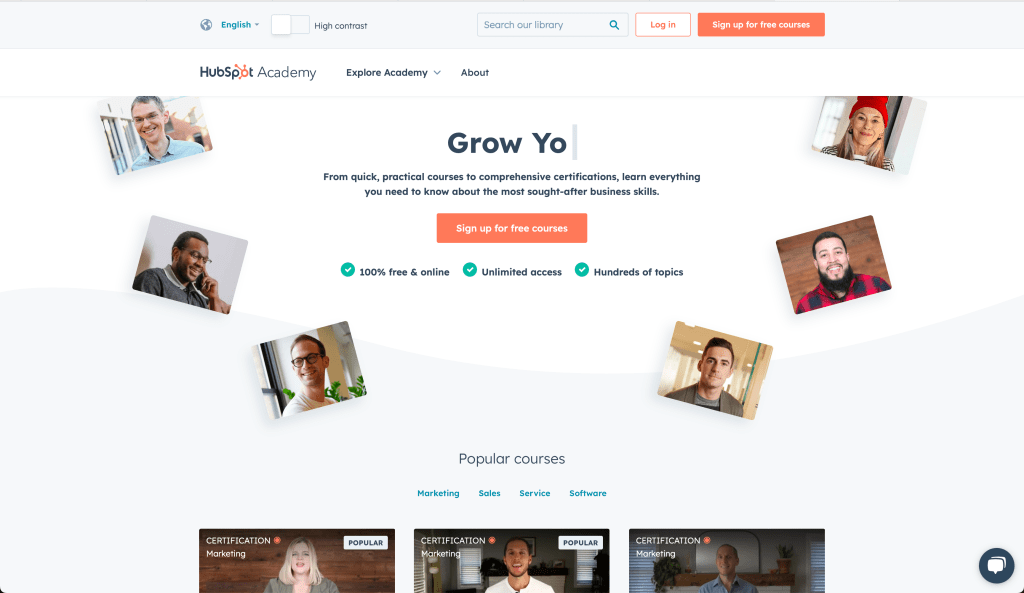
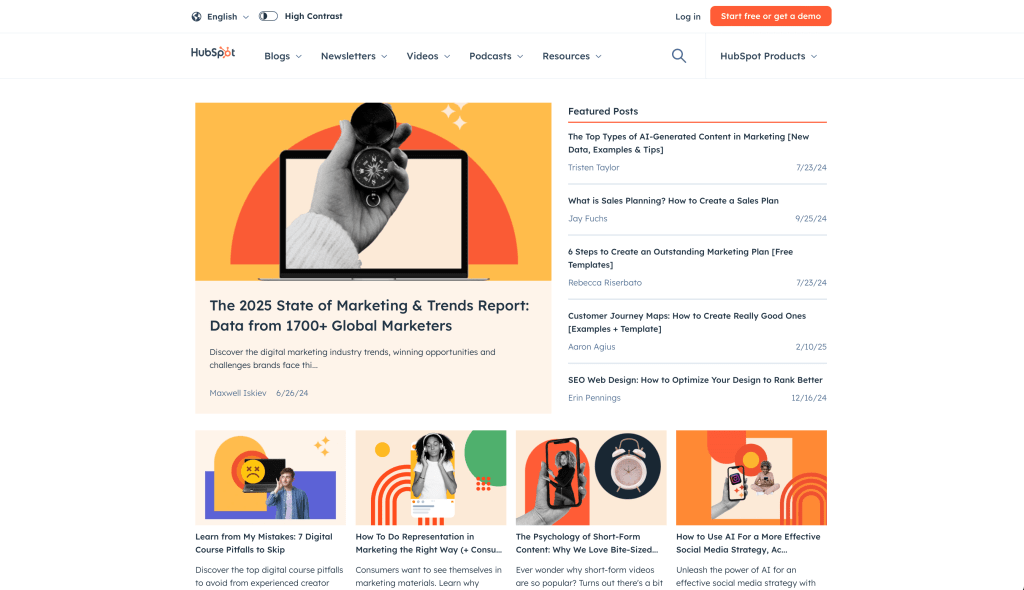
HubSpot successfully diversifies content formats by creating blog posts, social media snippets, webinars, templates, and reports—all interconnected to reinforce key topics. Their free templates and interactive tools drive lead generation, proving that content diversity directly impacts conversion rates.


Pro Tip: Brands that integrate a mix of content types (e.g., video + long-form guides + short social content) tend to see higher audience retention and conversion rates.
Are you answering the right questions with your content topics?
One of the biggest content pitfalls is writing about what you want to talk about instead of what your audience needs.
A data-driven topic strategy ensures you’re covering high-impact subjects that resonate with your audience, solve pain points, and guide them through the buyer’s journey. While it’s tempting to jump on every industry trend, trendy topics only work if they align with your audience’s interests and challenges.
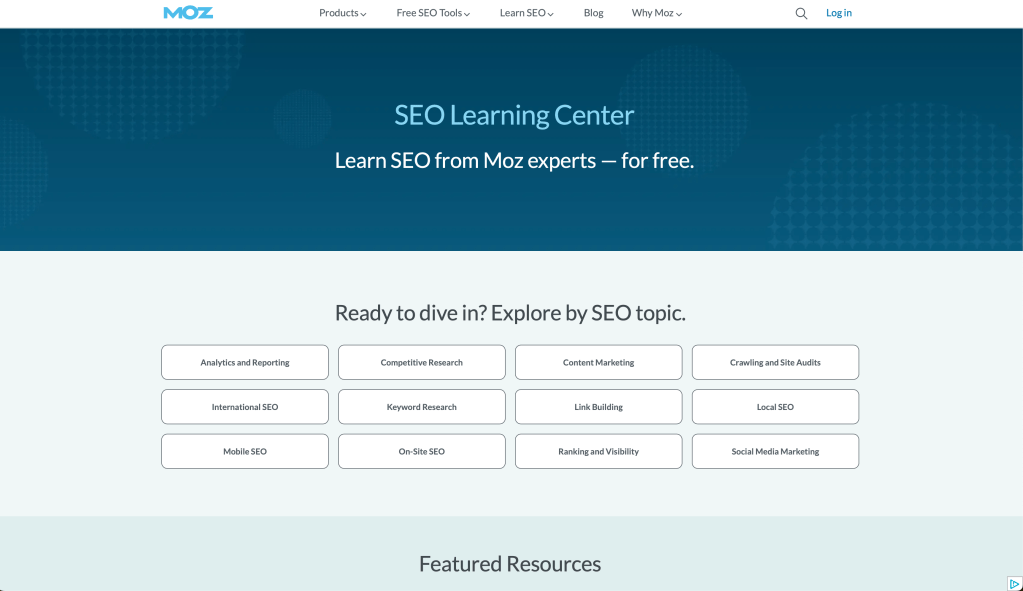
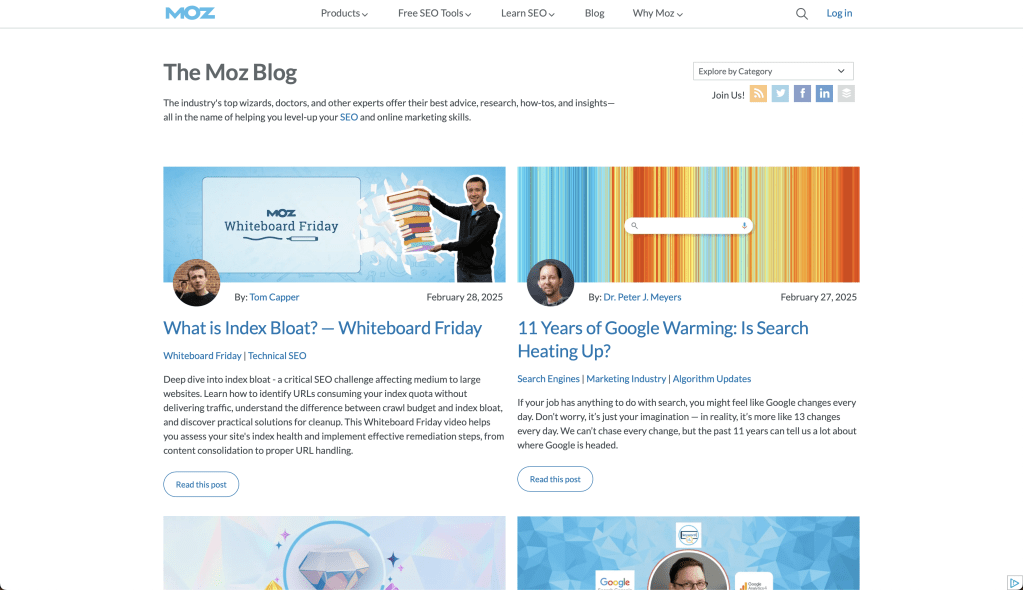
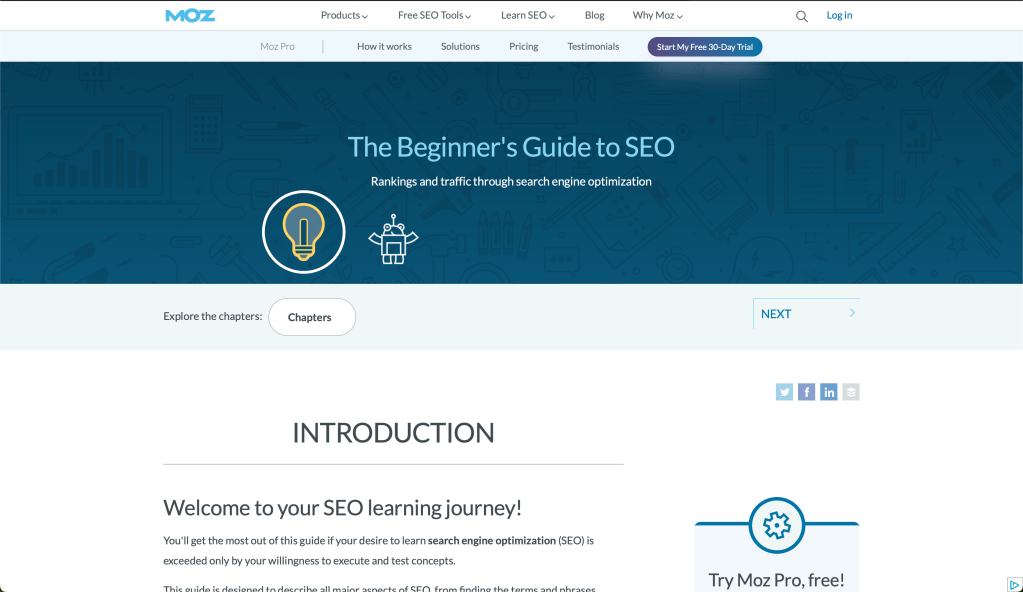
Instead of creating generic marketing blogs, Moz built an SEO Learning Hub with educational deep dives and beginner-friendly guides. This approach boosted brand authority and organic traffic, leading to higher conversion rates on their software products.

Pro Tip: Use search intent research (Google Trends, AnswerThePublic, social listening) to refine your topic selection and identify emerging industry trends before competitors do.
Are the KPIs you’re measuring the right success metrics?
If you’re not tracking performance, how do you know what’s working?
Many content strategies get stuck tracking the wrong KPIs. They celebrate high traffic numbers, social shares, and impressions—but none of those necessarily translate to business growth.
It’s time to stop tracking attention and start tracking impact
The KPI Swap Strategy
| ❌ Stop Tracking… | ✅ Start Tracking… |
|---|---|
| Page Views (Lots of views don’t mean conversions) | Time on Page & Scroll Depth (Are people actually engaging?) |
| Social Shares (Viral doesn’t mean valuable) | Referral Traffic & Click-Through Rate (CTR) (Are shares driving traffic to your site?) |
| Bounce Rate Alone (Context matters!) | Returning Visitors & Engagement (Are they coming back and taking action?) |
| Blog Post Count (More content ≠ better content) | Content-Assisted Conversions (Which blogs lead to sign-ups, demos, or sales?) |
| Open Rate (for emails) | Click-to-Open Rate (CTOR) (Are people engaging after they open?) |
Pro Tip: If a blog post gets 20,000 views but no conversions, it’s not a success—it’s a missed opportunity. Instead of doubling down on more traffic, optimize for engagement, lead generation, and revenue impact.
Is your SEO strategy optimized for discoverability?
Even the most valuable content won’t drive results if no one can find it.
SEO isn’t just about ranking—it’s about ensuring the right people find your content at the right time. An SEO audit can reveal gaps in keyword targeting, content structure, and technical optimization that may be preventing your content from reaching its full potential.
Actionable SEO fixes that work
| ❌ Common SEO Mistake | ✅ Optimized Approach |
|---|---|
| Targeting high-volume, broad keywordsthat are competitive and hard to rank for | Focus on long-tail, problem-solving keywords (e.g., “best email template builders for small teams” instead of just “email templates”) |
| Writing blog posts in isolation with no connection to other content | Create content clusters—group related posts under pillar pages to boost authority |
| Ignoring on-page SEO elements (headers, meta descriptions, alt text) | Optimize every page with structured metadata and internal links |
| Focusing only on Google rankings | Optimize for search intent—answering real user questions leads to better engagement |
Pro Tip: Want to know which content topics to prioritize? Use Google Search Console to see which pages already rank in positions 10-20, then optimize those pages for higher rankings before creating new content. Small tweaks often outperform new posts!
Is your content driving revenue?
Great content doesn’t just attract traffic—it supports business objectives by guiding users toward conversions, sales, and brand trust. If content isn’t aligned with revenue goals, it’s likely a wasted opportunity.
N26, a prominent German fintech company, experienced significant growth by aligning its content strategy with business objectives. After addressing regulatory challenges, N26 focused on transparent communication and educational content to rebuild trust and attract new customers. This approach contributed to a 40% revenue increase, reaching €440 million in 2024, and an impressive surge to 250,000 monthly sign-ups after lifting previous regulatory caps.
By creating content that directly addressed customer concerns and clearly outlined the benefits of their services, N26 effectively guided potential users through the conversion funnel, resulting in substantial revenue growth and an expanded customer base.
Pro Tip: High-performing brands treat content as a growth asset, not just an engagement tool. Collaborate with sales teams to create content that directly supports lead nurturing and deal closures.
Implement, Test, Optimize!
A content audit is a continuous process of testing, learning, and refining.
By evaluating these five key areas, you’ll uncover gaps in your strategy, align content with business goals, and drive better engagement and conversions.
Next Steps:
✔️ Start by auditing your content types, topics, SEO, and performance metrics
✔️ Align content with business goals and customer needs
✔️ Test new formats, optimize for search, and track results
Good luck
